
In April 2026, the Medical Device Coordination Group (MDCG) published MDCG 2021-24 Rev.1 – Guidance on Classification of Medical Devices, introducing important revisions that further harmonize classification practices across all EU Notified Bodies.
The updated guidance refines classification rules for a wide range of medical devices, with particular focus on implantable devices, active medical devices, AI-based medical device software (MDSW), nanomaterial devices, and drug-device combination products.gories.
This article summarizes the key updates, practical implications, and important considerations for manufacturers seeking compliance under the EU Medical Device Regulation (MDR) (EU) 2017/745.
Overview of MDCG 2021-24 Rev.1
MDCG 2021-24 Rev.1 is a revision of the original guidance issued in October 2021. Although it is not legally binding, it represents the interpretation adopted by EU Member States and is widely applied by Notified Bodies during conformity assessment.
Key information
- Issued by: Medical Device Coordination Group (MDCG)
- Publication date: April 2026
- Regulatory basis: Annex VIII of MDR (EU) 2017/745
- Scope: All medical devices regulated under the MDR, including Class I–III devices, accessories, replacement parts, drug-device combination products, nanomaterial devices, and closed-loop systems.
Major Updates Introduced in Rev.1
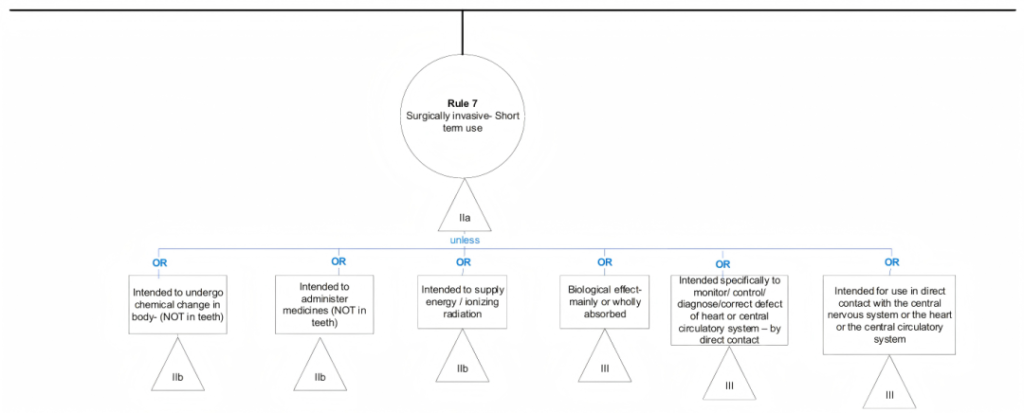
1. Expanded Definition of Implantable Devices
One of the most significant revisions is the replacement of the term “surgical” with “clinical” intervention in the definition of implantable devices.
Under the revised guidance, an implantable device includes products:
- Introduced into the human body through a clinical intervention;
- Remaining in the body for 30 days or longer; or
- Partially remaining in the body for at least 30 days.
This broader definition captures certain long-term devices that were previously outside the traditional concept of surgical implants.
Manufacturers should carefully reassess products such as:
- Orthopaedic implants
- Long-term catheters
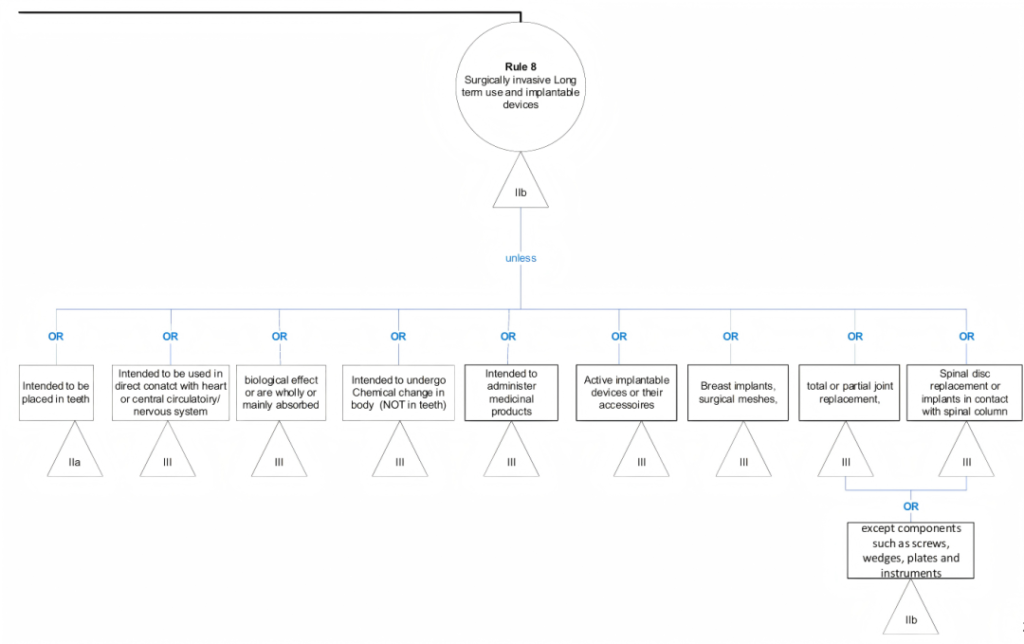
- Breast implants
- Surgical meshes
Some devices may now require classification as Class IIb or Class III.
2. Updated Terminology
Throughout the guidance, the term “device” has been replaced by “product.”
This reflects a broader regulatory approach requiring manufacturers to first determine whether a product falls within the scope of the MDR (including accessories and Annex XVI products) before applying the classification rules.
This clarification is particularly relevant for:
- Borderline products
- Combination products
- Accessories
3. More Practical Classification Guidance
The revised document expands explanations for several classification rules, particularly:
- Rule 2
- Rule 8
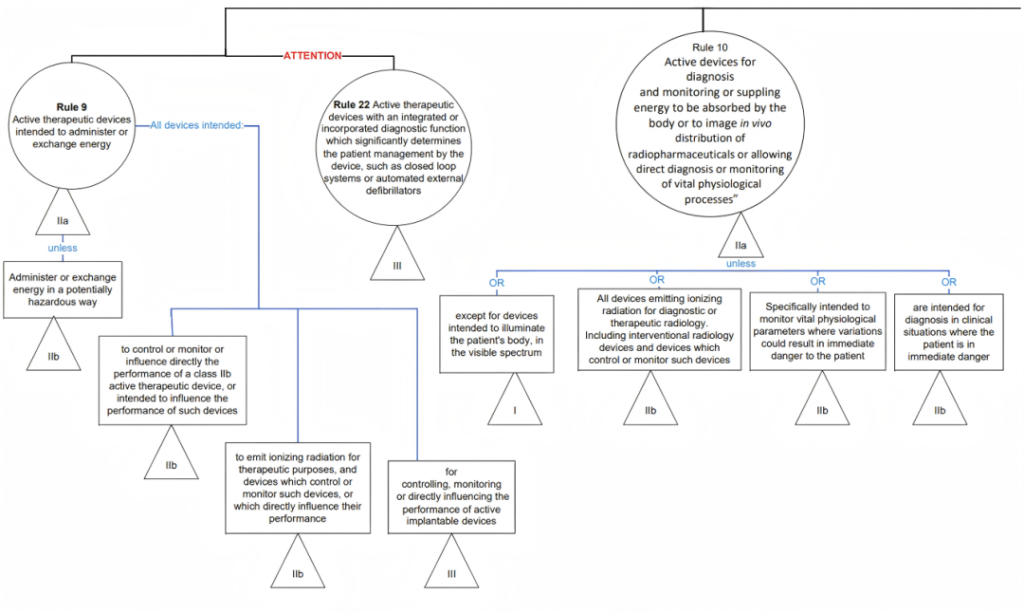
- Rule 9
- Rule 10
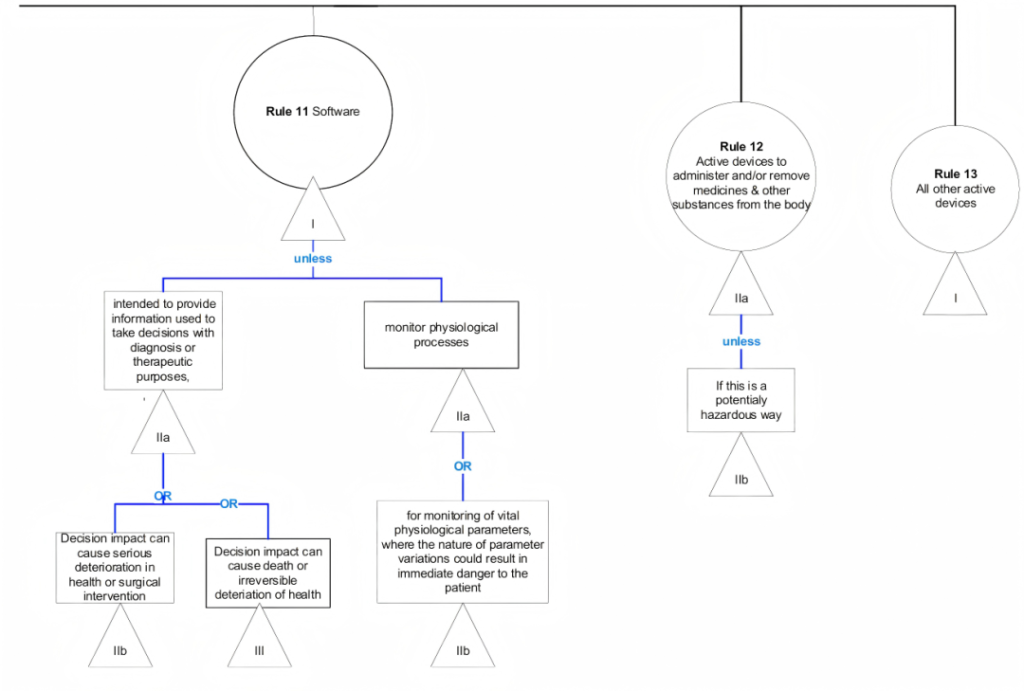
- Rule 12
- Rule 16
- Rule 22
Additional notes and practical examples have been introduced to improve consistency.
Notable revisions include:
Rule 8 – Implantable and Long-term Invasive Devices
- Seven new explanatory notes
- Clarification of exemptions for sutures, staples, screws, and similar products
- Updated classification guidance for spinal implants and fixation devices
Rule 9 – Active Therapeutic Devices
- Improved structure
- Clearer distinction from Rules 10, 11, 12, and 22
Rule 10 – Active Diagnostic Devices
- New examples, including:
- Surgical lights
- Ophthalmic examination equipment
Rule 12 – Devices Administering Medicinal Products
- Additional examples, including:
- Elastomeric infusion pumps
- Balloon pumps
Rule 22 – Closed-loop Systems
Clarifies that therapeutic devices incorporating diagnostic functionality (such as closed-loop insulin pumps and certain automated defibrillator systems) are classified as Class III.
4. Clarification of Frequently Disputed Products
The updated guidance provides more consistent classification approaches for several product categories.
Medical Device Software (MDSW)
Risk-based classification continues to apply:
- Clinical decision support software → Class IIa
- Software that may result in serious deterioration of health or surgery → Class IIb
- Software that may lead to death or irreversible deterioration → Class III
Orthopaedic Implants
Spinal implants and joint replacement devices are explicitly classified as Class III.
Nanomaterial Devices
Products with medium or high internal exposure risks are generally classified as Class III.
Drug-Device Combination Products
Devices incorporating an ancillary medicinal substance (for example, antibiotic bone cement) are classified as Class III.
5. Stronger Focus on Classification Justification
The guidance emphasizes that manufacturers must provide a clear rationale for their chosen classification within the technical documentation.
Simply citing an MDR classification rule is no longer sufficient.
Technical documentation should explain:
- Which rule applies;
- Why it applies;
- Why other potentially applicable rules do not apply.
This justification will be closely reviewed by Notified Bodies during conformity assessment.
MDR Classification Principles
The MDR applies a risk-based classification system consisting of four classes:
- Class I
- Class IIa
- Class IIb
- Class III
Where multiple classification rules could apply, the highest applicable risk class prevails.
Key Classification Categories
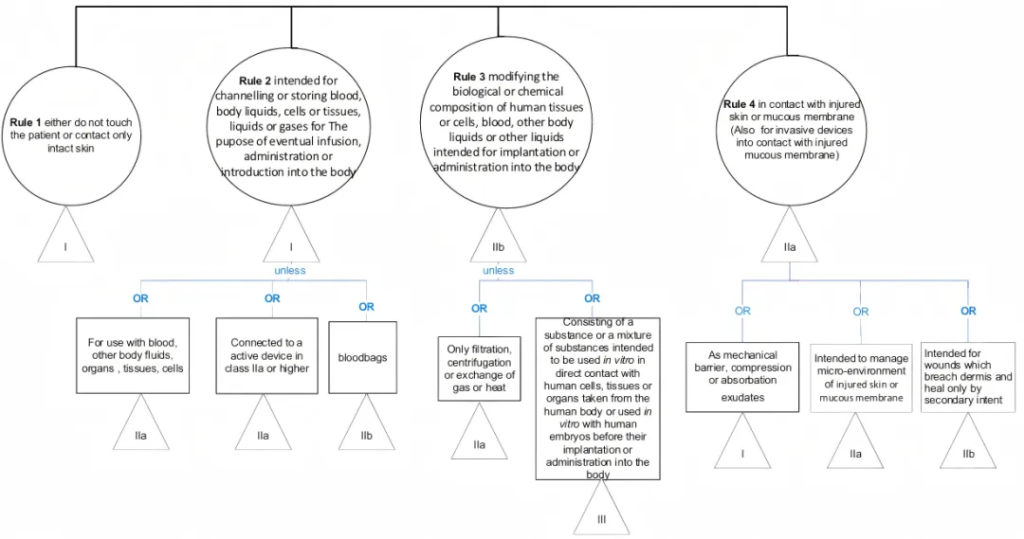
Non-invasive Devices
Generally lower-risk products that contact only intact skin or body surfaces.
Examples include:
- Medical gloves
- Blood storage containers
- Wound dressings
- Blood filtration products
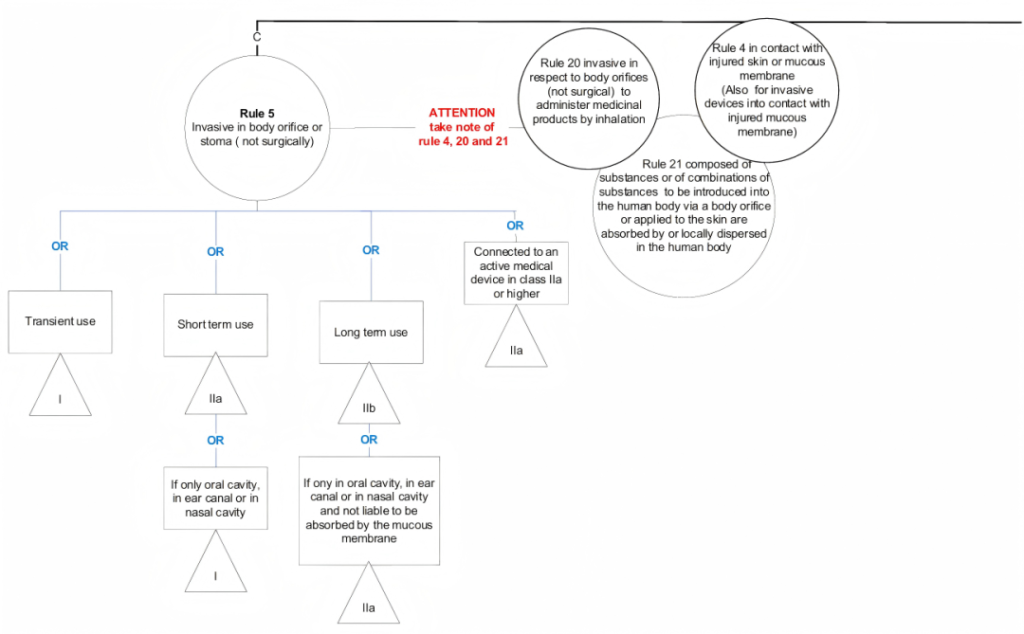
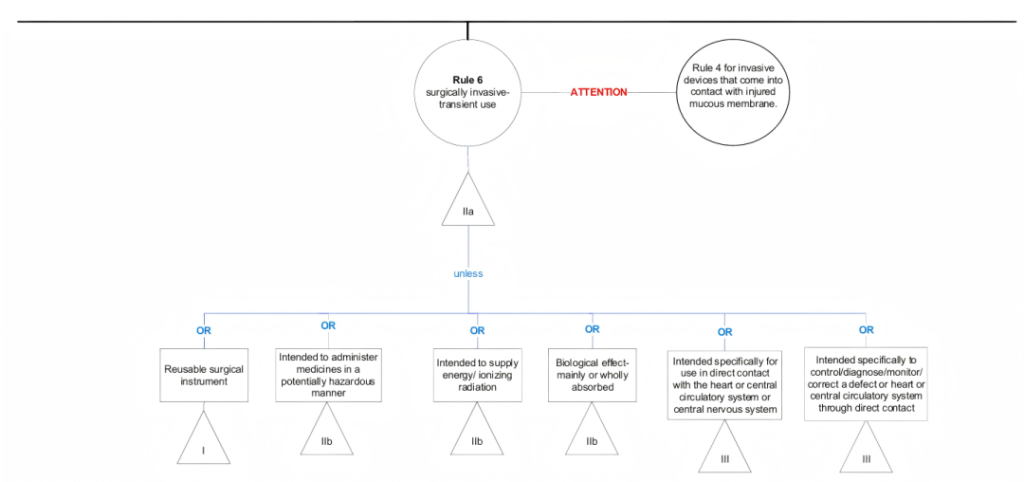
Invasive Devices
Classification depends primarily on:
- Method of invasion
- Duration of contact
- Implantation status
Examples include:
Implantable devices
Catheters
Surgical instruments
Drains
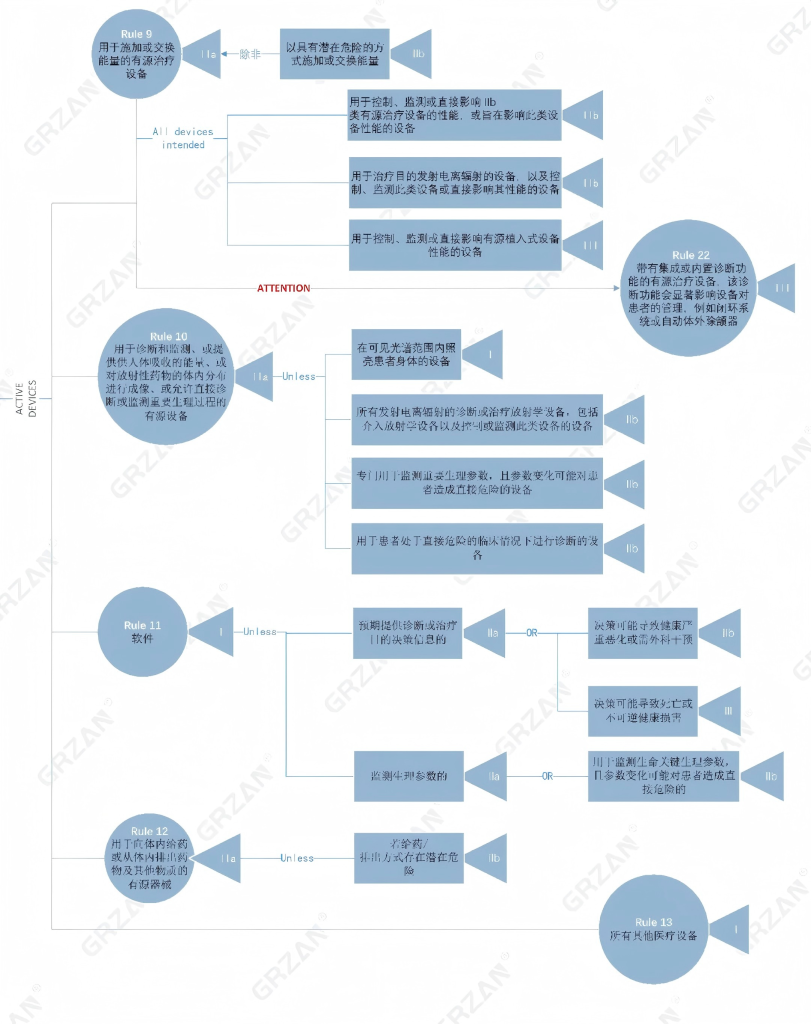
Active Medical Devices
Devices powered by an external energy source.
Examples include:
- Physiotherapy equipment
- Ventilators
- Electrosurgical units
- Ultrasound systems
- CT scanners
- Infusion pumps
- Medical device software (MDSW)
- Image
Special Classification Rules
Certain product categories are automatically assigned higher classifications under dedicated MDR rules, including:
- Drug-device combination products
- Contraceptive devices
- Animal tissue-derived devices
- Nanomaterial devices
- Closed-loop therapeutic systems
These products are generally classified as Class III due to their higher risk profile.
Conclusion
Accurate classification remains the foundation of MDR compliance and one of the most critical steps in obtaining CE marking.
MDCG 2021-24 Rev.1 provides clearer guidance, additional examples, and improved consistency for manufacturers and Notified Bodies. Companies planning to market medical devices in the European Union should review their existing product classifications, update technical documentation where necessary, and ensure that classification decisions fully align with the revised guidance.
A proactive classification review can help avoid costly delays during conformity assessment and facilitate successful access to the EU market.
Additional guidance on the practical classification decision process will be published in future updates.